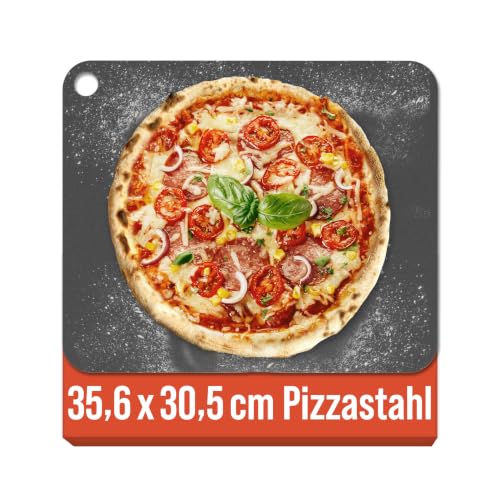
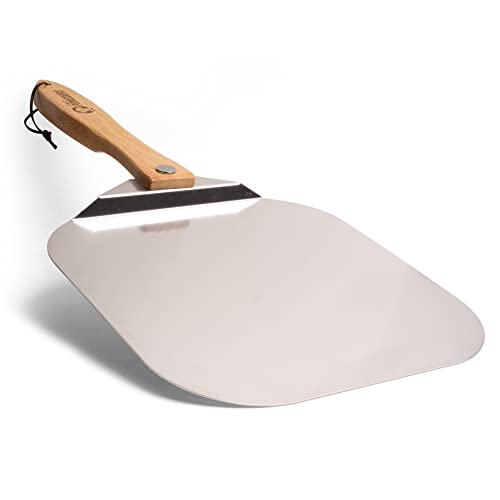
Choosing the best pizza stone can turn a decent homemade pizza into one with a crisp, evenly baked base. The picks below are based on the manufacturers' information on the Amazon.co.uk listings, read on 28 November 2026, and we did not test them.
Key points in 30 seconds
- All three picks are cordierite, a material that handles thermal shock well and wicks moisture from the dough.
- Each stone measures 38 x 30 cm, a size that fits most standard home ovens and many grills.
- The Pizza Divertimento and GRÄWE stones are 1.5 cm thick; the Unicook is 15 mm thick (1.5 cm).
- The makers state heat resistance up to 900 °C (Pizza Divertimento) and 800 °C (GRÄWE); Unicook does not give a maximum temperature.
What a pizza stone does
A pizza stone is a flat slab of porous material that you preheat in an oven or on a grill. Because the stone stores a large amount of heat, it delivers a strong, steady burst of energy to the pizza base the moment the dough touches it. At the same time, the open pores draw moisture out of the dough, which helps the base set quickly and develop a crisp texture. This is the main difference from a metal baking tray: a tray heats up and cools down faster, and it does not pull moisture away from the crust in the same way. The result with a stone is a base that is closer to what you get from a proper pizza oven, with a dry, firm underside and a lighter crumb.
Materials: cordierite, firebrick and ceramic
All the stones in this selection are made of cordierite. Cordierite is a mineral-based ceramic that is popular for pizza stones because it has very good thermal shock resistance. In practice, that means a cordierite stone is less likely to crack if you move it between temperature extremes, although you should still avoid sudden changes. It also heats evenly and holds its temperature well.
Firebrick, sometimes called chamotte, is another common material. It is usually thicker and heavier, and it can store even more heat, but it takes longer to come up to temperature. Plain ceramic stones tend to be more brittle and more prone to cracking under thermal stress. For a home oven or a grill, cordierite gives a sensible balance of durability, heat retention and weight.
Size and thickness
Before you buy a pizza stone, measure the inside of your oven or the cooking grate of your grill. You need to leave at least a couple of centimetres of free space on all sides of the stone so that hot air can circulate. If the stone is too tight a fit, the air cannot flow properly and the heat distribution suffers.
All three stones here are rectangular, 38 x 30 cm. That is a common size that works in most standard built-in ovens and on many grill grates. A rectangular shape makes good use of the available depth and width, and it suits oblong pizzas or two smaller round pizzas side by side. A round stone can be a better match for a single large round pizza, but a rectangle is more versatile for different shapes.
Thickness matters for heat capacity. The Pizza Divertimento and GRÄWE stones are both 1.5 cm thick, according to their makers. The Unicook stone is 15 mm thick. A thicker stone stores more heat and recovers its temperature faster after you load a pizza, but it also takes longer to preheat. For most home use, the difference between 15 mm and 1.5 cm is negligible, and both are enough to produce a good base.
Size
Measure your oven or grill first: the stone must fit with space around it.
Material
Cordierite, firebrick or ceramic: the listing says which.
Thickness
Only some listings state it; compare the figures that are given.
Heat resistance
The maximum temperature the maker states, when it gives one.
Oven or grill
A pizza stone works in a domestic oven and on a gas or charcoal grill. When you use a grill, keep the lid closed so the stone is surrounded by hot air, much like an oven. Set up the grill for indirect heat: place the stone on the grate away from the lit burners or the charcoal pile. Check that the stone sits securely on the grate and that the lid closes without touching it. The same rules about preheating apply: put the stone on the cold grate, then bring the grill up to temperature slowly with the stone in place.
Our selection
Pizza Divertimento pizza stone 38 x 30 cm

This stone suits anyone who wants a straightforward cordierite slab that can handle very high heat, whether in a home oven or on a charcoal grill. According to the manufacturer, the Pizza Divertimento stone is made of cordierite and measures 38 x 30 x 1.5 cm. The maker states it is heat resistant up to 900 °C. It is listed as suitable for an oven, a gas grill and a charcoal grill. The seller also adds a free e-book with more than 30 pizza recipes.
Unicook pizza stone 38 x 30 cm

This pick is a good fit for a first-time buyer who wants a complete starter set with a cleaning tool included. The manufacturer says the Unicook stone is cordierite, sintered in a 787 °C kiln. It measures 38 x 30 cm, is 15 mm thick and weighs up to 2.95 kg. A free plastic scraper is included, and the maker advises using it only on a cool stone. Unicook states clearly: never use soap or detergent, never apply oil or grease. The care instructions say to hand wash the stone with warm water and let it dry completely.
GRÄWE pizza stone 38 x 30 cm

This stone is aimed at cooks who move between different appliances and want a single stone rated for an oven, a grill and a pizza oven. The manufacturer states the GRÄWE stone is cordierite and measures 38 x 30 x 1.5 cm. It is heat resistant up to 800 °C, according to the maker, and is listed for use in an oven, on a grill, a gas grill, a charcoal grill and in a pizza oven.
How to use it
Always put the pizza stone into a cold oven or onto a cold grill grate, then heat the two together. Let the stone preheat for the time the manufacturer recommends; the maker's instructions are the safest guide. A stone that is not fully heated will not give the base the strong initial heat it needs.
Use a pizza peel to slide the pizza onto the stone and to take it off. Do not place a cold stone into a hot oven, and do not pour water onto a hot stone to clean it. The sudden temperature change, called thermal shock, can crack the stone. Let the stone cool down completely in the switched-off oven or grill before you handle it.
Other guides
- Best pizza peels: wood, aluminium, perforated
- Pizza steel vs pizza stone: which to buy
- How to clean a pizza stone without damaging it
FAQ
Can I cut the pizza directly on the stone?
It is better to slide the pizza onto a board or a rack before cutting. A pizza cutter or a knife can scratch the surface of the stone, and the pressure might cause a crack, especially if the stone is still very hot. Lifting the pizza off also stops the base from steaming on the hot surface.
Why does my stone discolour over time?
Dark spots and stains are normal. They come from flour, semolina or small amounts of fat that bake onto the surface. The discolouration does not affect how the stone works, and trying to scrub it back to a like-new look can damage the porous surface.
Do I need to season a cordierite pizza stone?
No. Cordierite stones do not need oiling or seasoning. The manufacturer of the Unicook stone specifically says never to use oil or grease. The stone works by absorbing moisture, and any oil would fill the pores and smoke at high temperatures.
Sources
The figures cited in this guide were read on 28 November 2026 on the Amazon.co.uk listings of the products mentioned, using the manufacturer texts provided there. The Unicook listing does not state a maximum heat resistance figure; the Pizza Divertimento and GRÄWE listings do.